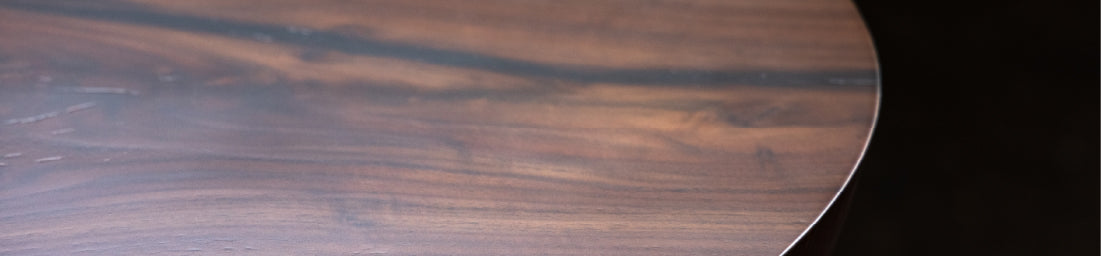



What Stories Does Wood Tell Us? | Alabama Sawyer
Quick Fast Facts: How Wood Tells Its Story
- Core Concept: Every slab of urban timber contains a natural environmental record embedded in its grain.
- Key Indicators: Growth rings (climate and drought), knots (healed branch scars), burls (stress grain twists), pest galleries (beetle tunnels and mineral stains).
- Lifespan & History: Alabama native hardwoods routinely live 200 to 300 years, while Bald Cypress can live over 1,000 years, recording centuries of regional weather before milling.
Mass-produced synthetic materials all look identical, but natural wood carries an actual history in its grain. Whether it comes from an old White Oak in Mountain Brook or a mature Pecan in Homewood, wood records what happened to the tree while it grew.
At its core, wood is captured carbon. It builds out of tiny cellulose fibers that draw water up from the soil. As the trunk expands each year, every passing season leaves a permanent mark.

Reading the Rings: Elements and Weather
Trees react to surrounding weather conditions year by year. Wide growth rings show seasons with plenty of rainfall, while tight, narrow rings point to severe droughts or intense winter cold. Dark scars buried deep inside the trunk can mark an old forest fire the tree managed to survive. Local sunlight, soil nutrients, and canopy space also alter how fast and straight the trunk grows.
Grain direction shows how the trunk adjusted to obstacles or braced against strong wind storms. Alabama trees have impressive lifespans. Local Bald Cypress trees can live past 1,000 years, and regional hardwoods like White Oak often reach 200 to 300 years. When urban trees across Birmingham and surrounding towns reach the end of their life, their timber preserves that long timeline.
Grain Storytelling Guide
When looking at a slab of urban lumber, specific grain features show what the tree went through during its lifetime:
| Grain Feature | Visual Appearance | What It Means |
|---|---|---|
| Wide Rings | Broad, spaced bands | Good rainfall, abundant groundwater, and ideal growing seasons. |
| Narrow Rings | Tight, crowded lines | Extended droughts, extreme freezes, or heavy shade from taller neighboring trees. |
| Pest Galleries & Stains | Small pinholes with dark gray or blue streaks | Insect activity paired with the tree's internal defense against fungi. |
| Knots | Dark, round grain circles | Natural branch shedding, storm damage, or early trimming as the tree grew upward. |
| Burls | Swirling, dense, marbled grain | Physical injury, viral infections, or fungal growth that disrupted normal vertical growth. |
Pest Marks: Beetle Tunnels and Color Stains
Insects leave clear pathways inside a trunk. Ambrosia beetles bore into the wood, creating small tunnels called galleries. As they move through, they carry fungi that create dark gray, blue, or black streaks along the grain. Instead of ruining the lumber, these tiny pinholes and color shifts produce distinct patterns, commonly called ambrosia maple or wormy chestnut. The markings record the tree's natural response to insects and fungi during its life in the woods.
Knots: How Trees Seal Branch Scars
Knots form when a tree grows taller and drops its lower branches, or when it heals after losing limbs to storm damage, wildlife, or pruning. When the outer wood breaks, the tree seals off the wound to block out decay and bacteria, similar to how skin forms a scab. This process turns the surrounding grain, forming dark center points and curved lines around the old branch site.
Some woodworkers treat knots as flaws, but they show how the trunk adapted to physical changes. Lumber can feature live knots, dead knots, pin knots, sound knots, or unsound knots, each giving the finished board a different look and physical structure.
Burls: Unusual Grain Patterns
Burls are rounded, erratic growths caused by abnormal grain structure. Environmental stresses like injury, viral infections, fungus, or insect attacks interrupt regular upward grain growth. The trunk swells, forcing the fibers into dense, wavy, and wrinkled shapes with high color contrast.
Because burls are rare and visually striking, woodworkers actively hunt for them. The grain patterns are so unique that poachers sometimes cut them off living trees in public forests to sell on private markets.
Life After the Saw
A tree's story continues after milling. Dry wood is roughly 50% carbon by weight, so building custom furniture out of urban timber stores that carbon long term. Inside a home, solid wood changes over time. Daily sunlight gently shifts its color tones, while small scratches, nicks, and worn edges reflect everyday use, turning repurposed trees into durable home pieces.
Supporting Sources
- USDA Forest Service & Extension Services: Research on wood biomass chemical composition and carbon storage capacity in harvested lumber.
- Clemson University Extension Forestry: Documentation on ambrosia beetle infestation patterns, fungal staining in hardwoods, and lumber grain effects.
- Alabama Forestry Commission: Regional tree species data, Bald Cypress growth records, and urban timber utilization studies.


